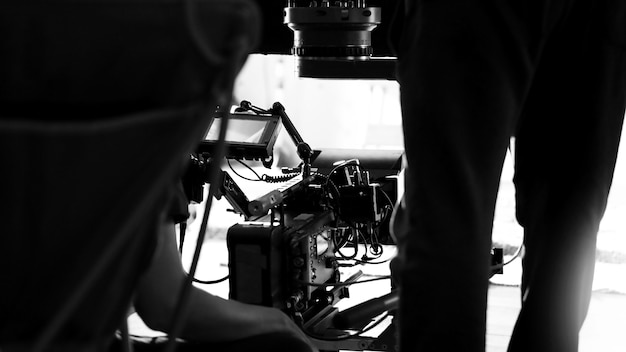
A Methodology Built on Professional Practice
We teach video editing the way professional editors work—through systematic skill development and hands-on application.
Back to HomeOur Educational Philosophy
Editing skills develop through practice with proper guidance, not passive observation.
Practice-Centered Learning
Professional editing requires muscle memory and intuitive decision-making that only develops through repeated hands-on work. Our curriculum dedicates substantial time to practical projects rather than theoretical lectures. Students learn by doing, making the same kinds of decisions they'll face in professional environments.
Progressive Complexity
Each lesson builds directly on previous skills, allowing students to develop confidence before advancing to more challenging concepts. This approach reduces frustration and helps maintain motivation throughout the learning process. Complex techniques are broken into manageable steps.
Industry Alignment
Our curriculum reflects actual professional workflows used in commercial and creative production. Students learn techniques that have practical application rather than academic exercises. This relevance helps them understand why certain procedures matter beyond simply completing assignments.
Conceptual Understanding
Rather than memorizing button sequences, students learn the principles behind editing decisions. This conceptual foundation allows them to adapt their knowledge to new software, updated versions, or unfamiliar situations. Understanding replaces rote repetition.
Why We Developed This Approach
Our teaching methodology emerged from recognizing that traditional software training often focuses too heavily on feature lists without adequate context. Students would learn individual tools but struggle to apply them effectively in actual editing scenarios. They lacked the framework for making informed creative and technical decisions.
We restructured our curriculum to mirror how professional editors actually develop their capabilities—through guided practice with increasing complexity. This approach has proven more effective at producing confident, capable editors who can work independently after course completion.
Our Four-Phase Learning Framework
Each course follows a structured progression designed to build lasting competency.
Foundation Phase
Introduction & Core Skills
Students begin with essential operations and interface navigation. We focus on the fundamental tools needed for basic editing before introducing advanced features. This phase emphasizes becoming comfortable with the working environment.
Development Phase
Skill Expansion & Efficiency
As comfort with basic operations grows, students learn efficiency techniques and intermediate tools. Keyboard shortcuts, organizational strategies, and workflow optimization become focus areas. Projects increase in complexity.
Creative Phase
Storytelling & Decision-Making
With technical operations becoming automatic, focus shifts to creative decision-making. Students learn pacing, rhythm, and narrative construction through editing choices. They develop editorial judgment and storytelling sensitivity.
Professional Phase
Integration & Application
Students apply all learned skills to comprehensive projects that simulate professional scenarios. They manage complete workflows from ingest through delivery, making independent decisions and troubleshooting challenges without constant instruction.
Each phase typically spans two to three weeks depending on the course level. Advanced courses move through phases more quickly as students have existing foundations. The progression remains consistent across all our curriculum offerings.
Educational Standards and Professional Alignment
Our curriculum design follows established principles of skill acquisition and adult learning.
Evidence-Based Teaching Methods
Adult learners develop technical skills most effectively through structured practice with immediate application. Our methodology incorporates spaced repetition, progressive difficulty scaling, and practical project work—all approaches supported by educational research.
Deliberate Practice
Students receive specific, targeted feedback on their work, allowing them to identify and correct errors. This focused practice accelerates skill development more effectively than general observation.
Scaffolded Learning
Complex tasks are broken into manageable components. Support gradually decreases as competency increases, leading to independent capability.
Industry Standard Software
We teach Adobe Premiere Pro and related professional tools used across commercial production. Students learn on the same software they'll encounter in workplace environments, ensuring direct transferability of skills.
Current Versions
Our training labs maintain updated software installations reflecting current professional practice. Students learn contemporary features and workflows.
Professional Workflows
Curriculum content aligns with broadcast, streaming, and commercial production requirements. Students understand technical specifications that matter in actual delivery contexts.
Limitations of Conventional Training
Many editing courses emphasize features over application, leaving students uncertain about practical use.
Common Training Gaps
Feature List Focus
Traditional courses often tour every available tool without explaining when or why to use each one. Students learn what buttons do but not which techniques serve specific editorial goals.
Passive Demonstration
Watching an instructor work doesn't build the muscle memory and decision-making skills editing requires. Students need substantial hands-on time to develop competency.
Disconnected Exercises
Practice assignments that don't simulate realistic scenarios fail to prepare students for actual editing work. Context matters for understanding how techniques apply professionally.
Our Approach Addresses These Issues
Purpose-Driven Learning
We introduce tools when they solve specific creative or technical problems. Students understand why techniques exist and when to apply them, not just mechanical operation.
Extensive Practice Time
Our curriculum dedicates majority time to hands-on work. Students develop proficiency through repeated application with instructor guidance available as needed.
Realistic Projects
Assignments simulate professional scenarios across different formats. Students develop portfolio pieces while learning how their skills apply in commercial contexts.
What Makes Cutflow Different
Our approach combines professional experience with structured pedagogy.
Teaching Team with Active Industry Involvement
Our instructors maintain professional editing work alongside teaching responsibilities. This dual involvement ensures curriculum content remains current with industry practices. Students learn from people who actively apply the techniques being taught.
Current Practice
Instructors bring recent project experience into classroom discussions
Real Scenarios
Course projects reflect actual client requirements and production constraints
Industry Context
Students understand how techniques fit within professional workflows
Small Class Sizes
We maintain limited enrollment to ensure each student receives individual attention. Instructors can address specific questions and provide personalized feedback on project work. This approach supports faster skill development than large lecture formats.
Continuous Curriculum Refinement
We regularly update course content based on student outcomes and industry developments. Teaching methods are adjusted when we identify more effective approaches. This ongoing improvement ensures our methodology remains relevant and effective.
How We Track Development
Progress is evaluated through practical demonstrations rather than written tests.
Project-Based Assessment
Each week includes assignments that demonstrate specific capabilities. Instructors review completed work, providing feedback on both technical execution and creative decisions. This continuous evaluation helps students understand their progress and identify areas needing additional practice.
Technical Proficiency
Proper use of tools, accurate synchronization, clean timelines, appropriate export settings
Creative Application
Pacing choices, narrative clarity, emotional impact, visual consistency
Workflow Organization
File structure, naming conventions, project documentation, delivery preparation
Success Indicators
We consider students successful when they can independently complete editing projects appropriate to their course level. This means making informed decisions, troubleshooting common issues, and producing work that meets professional quality standards.
Success develops progressively throughout the course rather than appearing suddenly at completion.
Realistic Expectations
An 8-10 week course builds foundational or intermediate capabilities. Professional mastery requires ongoing practice beyond course completion. We set clear expectations about what students will accomplish and what requires additional development.
Course graduation marks the beginning of competent independent practice, not the end of learning.
Established Video Editing Training in Tokyo Since 2018
Our Shibuya location provides access to Tokyo's vibrant production community while offering focused instruction in professional editing workflows. The curriculum structure has evolved through continuous refinement based on student outcomes and instructor experience. We've identified the most effective sequence for introducing editing concepts and the optimal balance between instruction and practice time.
The Cutflow methodology emphasizes understanding over memorization. Students learn why certain techniques work rather than just mechanical operation. This conceptual foundation proves more valuable long-term as software evolves and new tools emerge. Editorial judgment and workflow thinking transfer across different platforms and applications.
Our three-tier course structure allows students to enter at appropriate skill levels and progress through increasing complexity. Beginners build confidence with fundamental operations before attempting advanced techniques. Intermediate students expand their capabilities across diverse formats. Advanced learners master complete production pipelines and professional collaboration workflows.
Teaching staff maintains involvement in active editing work, ensuring curriculum content reflects current industry practices. They understand both the creative challenges and technical requirements that professional environments demand. This practical knowledge informs their teaching approach and helps students develop realistic career preparation.
Experience Our Methodology
Learn more about how our structured approach can help you develop professional editing capabilities. Our next course session begins December 2025.
Request Course Information